

Blog Detail
Alcohol And Brain Fog: Clear Your Mind During Recovery
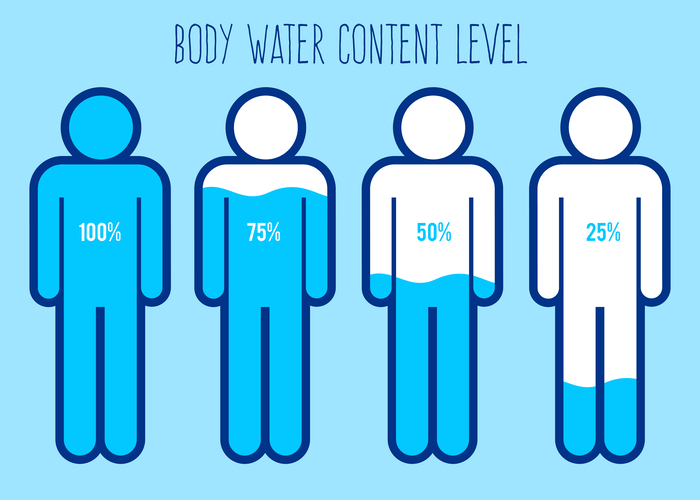
You’ll also reduce late-night food binges that often accompany drinking. During alcohol withdrawal, as symptoms subside, your improved eating patterns support sustainable weight management throughout your sober journey. As you continue into weeks two through four, you’ll notice increased energy levels that make maintaining an active lifestyle much easier. An excessive amount of dehydration from lots of alcohol consumption in one night is a common reason why you might get a hangover headache the next day. Your brain is made up of about 73% water, so it needs enough water to function correctly.
Tips on How to Prevent Brain Fog After Drinking

This neuroinflammation contributes to the cognitive slowdown and the general “foggy” sensation. Mental disorientation is linked to alcohol’s effect on neurotransmitters. Alcohol is a central nervous system depressant that enhances the calming effects of GABA while inhibiting the excitatory neurotransmitter glutamate. As alcohol is metabolized, the brain attempts to re-establish chemical balance, resulting in a temporary state of hyperexcitability and confusion, sometimes called glutamate rebound. However, if brain fog becomes a frequent occurrence or persists for extended periods, it may indicate excessive alcohol use or alcohol use disorder.
Lifestyle Changes That Support Cognitive Recovery
The friendships and connections formed within support groups can be a powerful source of motivation and strength. But if you’re noticing it more often or more intensely, it might be time to evaluate your relationship brain fog after drinking with alcohol. Each program is personalized so your care fits your needs, goals, and recovery pace.
- With alcohol comes dehydration, neurotransmitter imbalance, and impaired sleep.
- The cerebellum recovers rapidly during this time, which explains why improvements in motor coordination and fine motor skills are often among the first noticeable changes.
- When you decide to quit drinking alcohol, your body goes into a state of shock, leading to alcohol withdrawal.
Recovery Journey with Us

One of the major reasons for overdrinking and alcohol addiction is the negligence and acceptance of liquor. As a practice, always monitor your alcohol intake and consumption patterns. If you find it difficult to manage your consumption or show any signs of dependence, getting help and enrolling for addiction therapy programs should be your immediate next step. Brain fog describes that frustrating mental cloudiness that makes thinking feel like you’re wading through thick soup.
These chemical messengers control everything from mood to memory formation. Alcohol essentially hijacks these systems, creating an artificial high followed by a crash that leaves your brain struggling to function normally. Alcohol interferes with neurotransmitters in the brain, leading to slower thinking, impaired memory, and reduced concentration. Brain fog from alcohol typically lasts for 8 to 24 hours after drinking. However, the time frame can be longer for people who regularly consume heavy amounts of alcohol and then stop drinking. Many people with brain fog also feel fatigued — both mentally and physically.
- Apart from the obvious choice that you must monitor and pay close attention to your drinking habits, you can try some remedies to reduce the chances of brain fog.
- A study from 2013 also showed that dehydration from moderate alcohol consumption has a significant effect on cognitive function.
- When individuals consume alcohol in amounts or ways harmful to themselves or others, it constitutes alcohol abuse.
- Understanding how to manage brain fog after drinking, its duration, and potential remedies can help you recover quicker and minimize its impact on your daily life.
- Recurring alcohol and brain fog episodes often indicate alcohol misuse or underlying mental health issues.
According to experts at alcohol addiction treatment centers, alcohol abuse is one of the most common causes of addiction. Finally, alcohol can also disrupt our natural sleep cycle and reduce our overall quality of sleep. Even though alcohol helps us fall asleep faster — thanks in large part to its depressive effect — we typically experience more sleep disturbances as the night goes https://wormaq.com/2024/08/26/amanda-s-relapse-prevention-jeopardy-template/ on. Quality sleep is important for nearly every aspect of our health, including our metabolism, mood, and cognitive function (attention, learning, and memory). After only one night of poor sleep, our cognitive functions and performance start to decline. We might find ourselves in that brain fog state, forgetting things more often or having difficulty concentrating.
Alcohol, even in moderate amounts, acts as a depressant on the central nervous system, impairing cognitive function and contributing to brain fog. Without it, the brain Alcoholics Anonymous begins to recalibrate, shedding the chemical haze that dulls focus and decision-making. Studies show that within weeks of abstinence, neurotransmitter balance improves, particularly in GABA and glutamate systems, which are critical for cognitive processing.
Massachusetts Center for Addiction provides evidence-based care for substance use and mental health. Our team is dedicated to helping individuals and families find lasting recovery. Our team is available 24 hours a day, 7 days a week to answer any questions you may have.
Binge drinking can have severe consequences, including alcohol poisoning. This dangerous condition occurs when an individual consumes excessive amounts of alcohol, overwhelming their body’s ability to metabolize it. Alcohol poisoning can lead to life-threatening symptoms and requires immediate medical attention. Remember, prioritizing self-care and seeking professional help are vital components in combating brain fog and achieving long-term success in your recovery.


Copyright © 2024 All rights reserved.